
What does VVO (lettable floor area) mean?
Interested in or already busy subletting (spare) office space? Then you've no doubt come across the term "lettable floor area" (in Dutch: VVO). It's an important concept in the real-estate sector and directly affects a building's returns.
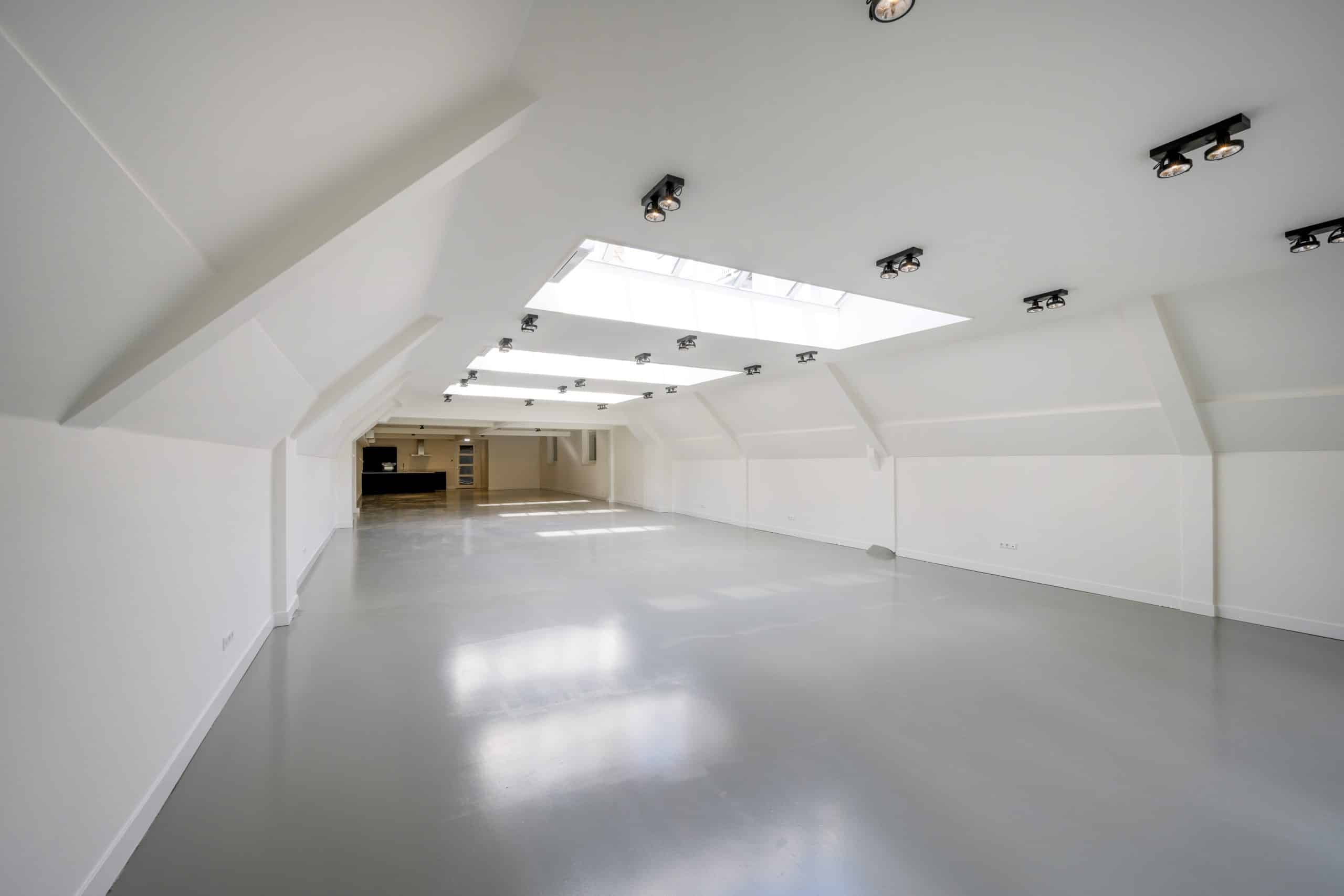
Interested in or already busy subletting (spare) office space? Then you've no doubt come across the term “lettable floor area” (in Dutch: VVO). It's an important concept in the real-estate sector and directly affects a building's returns. In this blog we take a closer look at what lettable floor area means, why it matters and how it's calculated.
What is lettable floor area (VVO)?
Lettable floor area is the total surface area of a building that is suitable for letting to a tenant. It covers all spaces that are commercially usable and can be rented out, such as offices, retail units, apartments and so on. The VVO is therefore the actual area available for letting, excluding shared spaces such as corridors, stairwells or technical rooms.
Why does VVO matter?
Understanding and correctly managing the lettable floor area is essential for office-space owners to generate the best possible return. Here are a few reasons why VVO matters:
- Rent calculation: The VVO is the basis for setting the rent of, say, an office space. The rate is usually calculated as a price per square metre. By determining the VVO accurately, owners can set a fair, market-conforming rent.
- Cost control: The VVO also affects a building's operating costs. Shared costs such as cleaning, maintenance and energy use are often spread across the total lettable area. An accurate VVO calculation ensures these costs are divided fairly among tenants.
- Space optimisation: The VVO gives insight into the available space in a building. By using the VVO effectively, office owners can maximise the building's functionality and achieve a higher occupancy rate.
How is VVO calculated?
Calculating the lettable floor area requires a detailed analysis of the building. Here are some of the steps followed when determining the VVO:
- Identify the lettable spaces: Determine which spaces are commercially lettable, such as offices, shops or storage areas.
- Measure the individual spaces: Measure the net floor area of each lettable space. This usually includes the interior walls and only the space intended for the tenant.
- Subtract the non-lettable spaces: Deduct the non-lettable spaces, such as corridors, stairwells, technical rooms, toilets and so on.
- Add up the individual spaces: Sum the net floor areas of all individual lettable spaces to arrive at the building's total VVO.
VVO
Lettable floor area (VVO) therefore plays a crucial role in managing spaces such as offices and directly affects a building's profitability and efficiency. Understanding VVO allows owners to set rent fairly, manage costs effectively and make the best possible use of the available space.
Currently letting, or interested in letting, (spare) office space? Then get in touch with us, or take a look at this page for more information.